



When a Lawn Needs a Reset
Lawn & Landscape Care
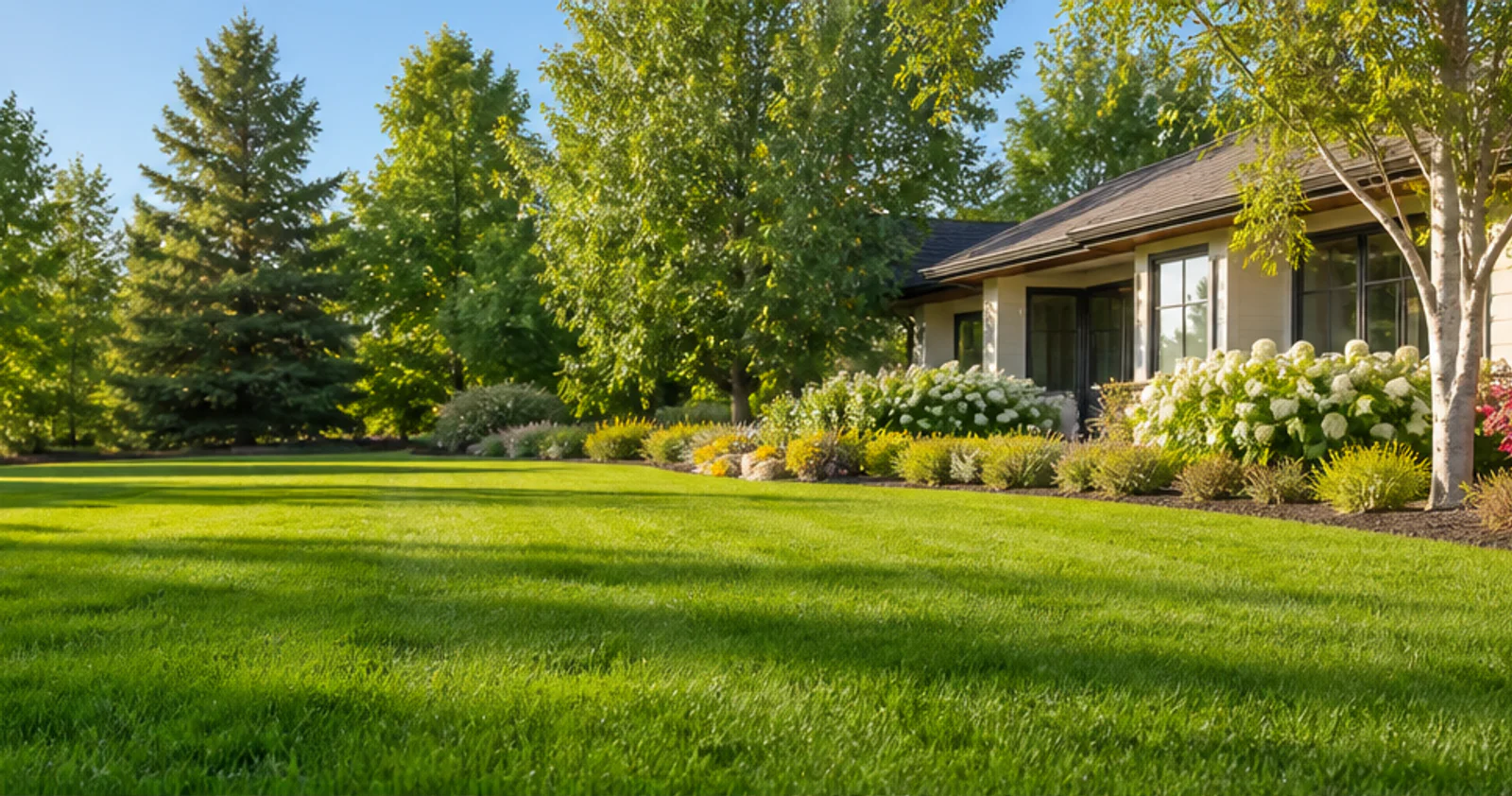
A tired lawn invites quick fixes. Seed goes onto bare patches, fertilizer follows, and the surface improves for a while. If the same areas fail again, the grass is probably reporting a site problem. Repair can help, but only after the cause is understood.
Read the pattern of failure
Bare routes may show where feet and pets compact the soil. Moss can point to shade, moisture, or low competition from grass, not one simple deficiency. Dry strips beside paving may be heat-related. Pools after rain suggest grading or drainage issues. The pattern matters more than the symptom by itself.

Know when repair is reasonable
If most of the lawn is healthy, aeration, overseeding, and a better mowing or watering routine may be enough. Repair during a suitable growing period for the grass type, and keep foot traffic light while new roots establish. A thin topdressing can help level minor hollows and improve the seed bed.
Fix irrigation coverage before adding seed
Relieve compaction in regularly used areas
Raise mowing height if the lawn is being scalped
Improve light or choose a shade-tolerant alternative
Reduce the lawn where use and conditions do not justify it
Reset when the base problem is widespread
A full renovation makes sense when weeds dominate, grades are wrong, soil is severely compacted, or the existing grass is unsuitable. Starting again allows the soil and drainage to be corrected before a new surface is laid or seeded. It also creates a chance to redraw the lawn into a simpler, more useful shape.
A lawn earns its place when it supports play, circulation, or visual calm. If it needs constant rescue in an area nobody uses, planting or another surface may be the better long-term answer.
Share it

Words by
Stefanie
More Insights


Example@email.com
000 234 2356 66
Take your Lawn to Next Level
© 2026 Grova. All rights reserved.