



Prune for the Plant, Not the Calendar
Seasonal Guidance
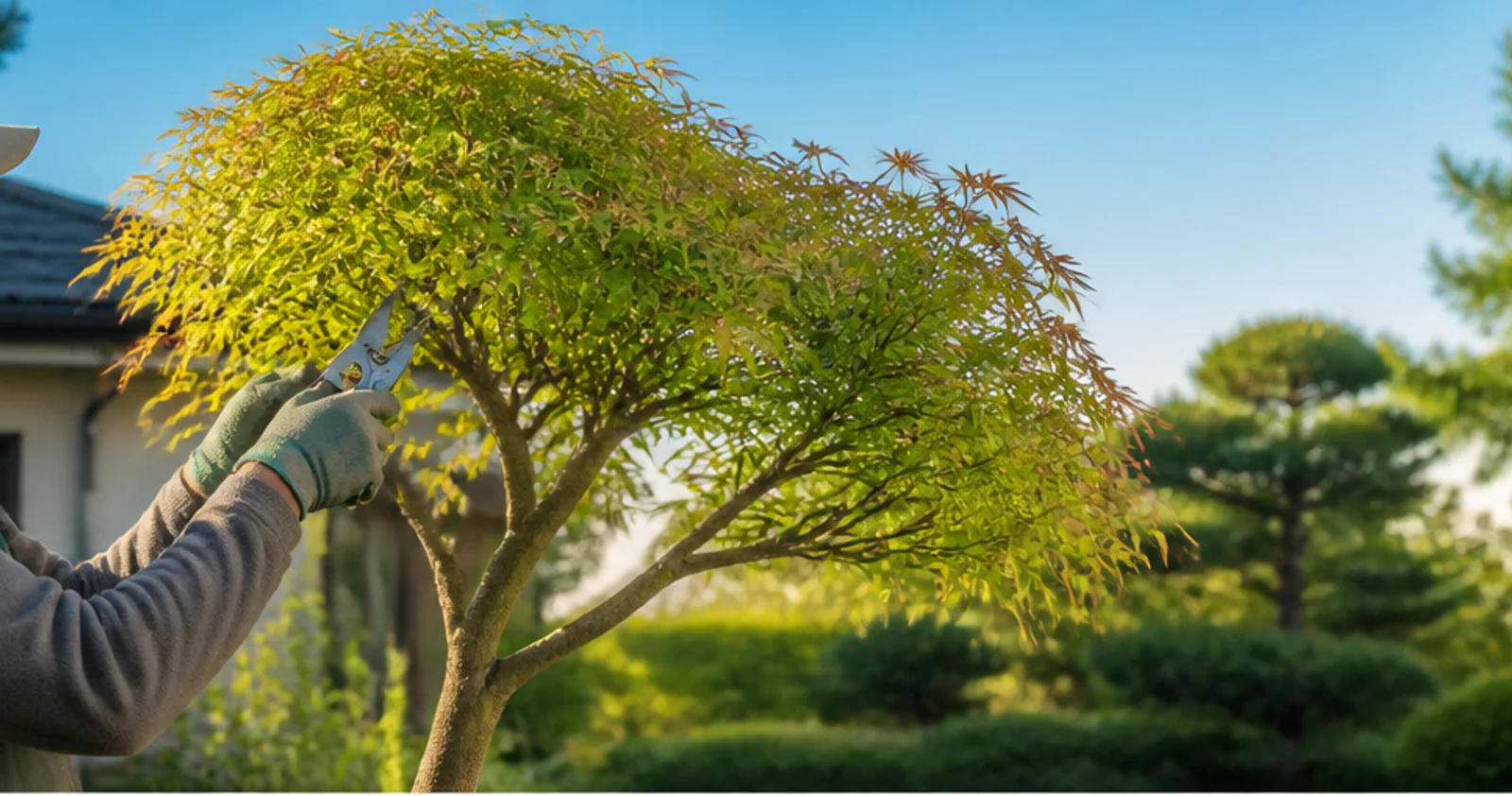
Pruning advice is often reduced to a month on the calendar. That is convenient, but plants do not all grow or flower in the same way. Before making a cut, identify the plant, decide what the cut is meant to achieve, and check whether flowers form on old wood or new growth.
Start with a reason
Dead, damaged, and unsafe branches can usually be addressed when they are found. Structural pruning may improve a young tree over several seasons. Flowering shrubs might need selective thinning after bloom. Size control is a weaker reason if the plant is repeatedly outgrowing its position. In that case, replacement may be more sensible than constant cutting.

Use selective cuts
A good cut removes a branch at a natural junction or shortens it to a suitable side branch. Repeated shearing can create a dense outer shell and a bare interior, especially on shrubs that were not intended as formal hedges. Selective thinning keeps the plant’s character and lets light reach the framework.
Use clean, sharp tools
Do not leave long stubs
Avoid flush cuts into a tree trunk
Remove a modest amount at one time
Stop if the plant identity or pruning response is uncertain
Watch how the plant responds
Pruning is a conversation across seasons. Strong upright shoots may show that the last cut was too severe. Sparse growth can point to shade, root stress, or age rather than a need for more pruning. Take a photograph before and after. It will make next year’s decisions more accurate.
The quietest pruning is often the best. It improves health or structure without leaving the plant visibly worked over. When the right plant is in the right space, pruning becomes occasional care instead of an annual battle.
Share it

Words by
Stefanie
More Insights


Example@email.com
000 234 2356 66
Take your Lawn to Next Level
© 2026 Grova. All rights reserved.